One Feed at a Time: Choosing Your 2026 Social Home Without the Hype

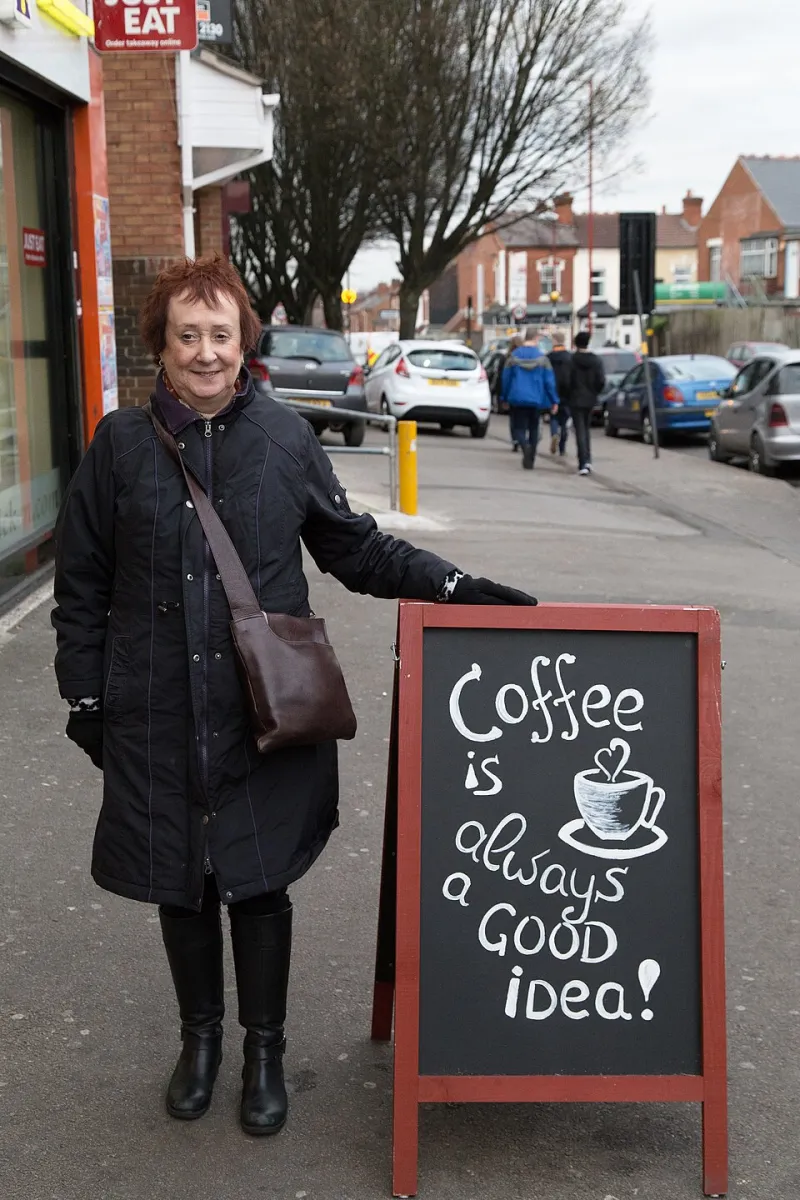
Photo: Francisclarke, CC BY-SA 4.0, via Wikimedia Commons
Every few months someone in a UK small-business group asks the same question: should we be on Threads now? What about Bluesky? And is Instagram still worth the effort? It is November 2026, and the honest answer has not changed much. The right platform is the one your customers already use and your team can actually keep up with.
That is not a cop-out. It is a capacity decision. A single owner-manager in Leeds or a two-person shop in Bristol has the same 168 hours in a week as a big brand, minus the staff. So before you add another feed to the to-do list, run the idea through a simple filter.
Start with the customer, not the platform
Ask three questions about your buyers. Do they discover businesses through visual browsing, through conversation, or through recommendations from people they already trust? A wedding photographer needs a visual portfolio. A bookkeeper who works with local trades may get more from text-led conversation and useful replies. A café near a station probably needs the platform where people search for somewhere to eat right now.
Threads and Bluesky can both work, but they suit different habits. Threads feels closer to Instagram in tone and is easy to try if you already post there. Bluesky rewards text, links and community conversation, which can suit commentators, consultants and niche communities. Instagram still does the heavy lifting for many UK small shops because it combines discovery, saved posts and direct messages in one place.
The trap is treating a new platform as a fresh start. If your Instagram profile is a graveyard of one-off offers and no replies, moving to a new app will not fix the underlying problem. It just gives you another empty room.
The four-question scorecard
Score each platform from 0 to 2, where 0 is a weak fit, 1 is possible and 2 is a strong fit. Be honest. A score of 6 or more is worth a test. Anything lower is probably a distraction for now.
| Question | Threads | Bluesky | |
|---|---|---|---|
| Our customers already use it | |||
| We can post three times a week without panic | |||
| Our strengths fit the format | |||
| We can measure one useful business action |
For the third row, think about what you are good at. If you take strong photos, Instagram and Threads may be easier. If you write clear opinions or helpful explanations, Bluesky may suit you. If your team is already stretched, choose the platform where you can repurpose one piece of content rather than creating three separate campaigns.
For the fourth row, pick one signal: saves, profile visits, direct messages, website clicks or enquiries. Do not measure everything. A small firm with a tiny budget needs one number that tells it whether the effort is worth repeating.
A 30-day test that will not take over your life
Give a new platform one month, not one afternoon. The goal is not to go viral. It is to find out whether real conversations or useful actions happen.
Week one: set up the profile properly, add a clear description, link and location, then post three times. Do not buy ads yet. Week two: post three more times and spend 15 minutes a day replying to relevant posts from local people and businesses. Week three: share one behind-the-scenes post and one useful offer or answer to a common question. Week four: review the numbers and decide whether to continue.
Track time as well as reach. If a platform brings 40 profile visits but takes six hours a week to maintain, that is a different result from 40 profile visits for 90 minutes of work. For a UK small business, time is the real ad budget.
Signs a platform is not worth it yet
Stop or pause if you have had no customer conversations after a fair 30-day test, if the audience is clearly outside your area, or if you are only posting because a guru said so. Also pause if keeping up means neglecting your main channel, your email list or your actual shop floor.
Another red flag is constant rule changes that force you to rebuild your approach every fortnight. Some platforms are simply not built for the way you work. That is allowed. You do not have to be everywhere.
A sensible 2026 setup for many UK small firms is one home base and one outpost. Your home base is where customers expect to find you and where you can measure enquiries. Your outpost is a lighter presence where you repurpose the same photos, answers and short videos. Pick the home base by customer behaviour, then let the outpost prove itself for a month.
If you are still unsure, improve the Instagram you already have before chasing a new app. Fill in the bio, add opening hours, reply to messages, save highlights and post one useful thing this week. A better version of a platform you understand usually beats a rushed profile on a platform you do not.