The Pavement Is the Platform: A Local-First Content Plan for UK Shops
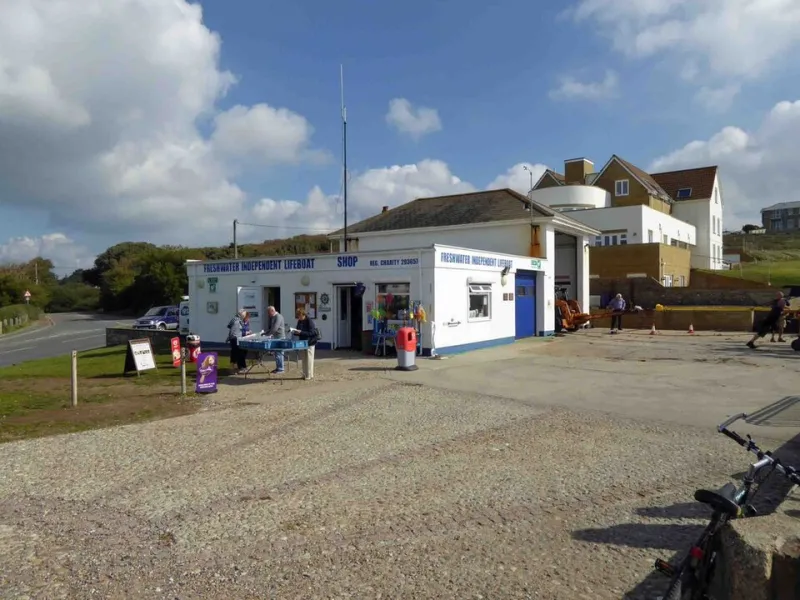
Photo: Steve Fareham , CC BY-SA 2.0, via Wikimedia Commons
Go viral is the worst advice most independent UK shops can follow. A million views from people who will never smell your coffee, try on your boots or queue for your Saturday bacon roll is not growth. It is noise with a nice graph attached.
The better aim for most small firms is far less glamorous: be the shop your neighbours recognise before they need you. That means building social content inside a one-mile radius, not chasing the algorithm across the country. Call it the one-mile content rule. It is not a legal boundary. It is a filter. If a post would make sense to someone three streets away, it belongs on your feed.
Why national reach is usually a vanity metric
National reach feels good because it is easy to screenshot. Local reach pays the electricity bill. If you run a barber's in Stockport, a deli in Lewes or a plant shop in Partick, your customer is probably already within a short walk, bus ride or school run. They are not comparing you with a viral brand in California. They are deciding whether to pop in on Saturday morning.
There is a time and a place for wider content: online shops, service businesses with remote clients and creators building an audience. But for a shop with a door and a postcode, the one-mile rule does something useful. It forces you to stop performing for strangers and start being useful to the people who can actually turn up.
The one-mile content map
Start with four local ingredients. You probably walk past all of them every week.
Local landmarks. The park gate, the bus stop, the library, the church hall, the bridge, the school crossing. Use them as anchors. A photo of your window display is fine. A photo of your window display with the parish church clock in the background says: this is your high street, not a stock image.
Neighbouring businesses. The chippy, the barber, the florist, the bike repair shop. Tag them when it is genuinely useful. Recommend them without expecting a return. A Saturday post that says 'the queue at the bakery next door is worth it, then come here for coffee' is local marketing that feels like a favour, not an advert.
Staff routines. The 7am bake, the Tuesday stock delivery, the closing-up routine, the dog who sleeps behind the till. These small, repetitive moments build familiarity. People like knowing who is behind the counter before they walk in.
Community notices. The fete, the road closure, the school fair, the lost cat, the charity collection. You do not need to be the council newsletter. But sharing the odd local notice positions you as part of the place, not just a unit on the parade.
A week of posts your neighbours will recognise
You do not need a content calendar that looks like a NASA launch schedule. A simple weekly map works.
Monday: a staff routine post. The quiet hour before opening, the first delivery, the till being counted. One photo, two sentences.
Tuesday: a neighbouring business shout-out. Keep it specific. Not 'support local' in general, but 'the team at the hardware shop next door have finally got the winter grit in'.
Wednesday: a landmark post. Your shop in relation to the park, the station or the bus stop. Add a line about what is happening nearby that week.
Thursday: a question post. 'What time do you usually pass us on the school run?' or 'Which local bakery does the best sausage roll?' These are low-effort but highly local.
Friday: a community notice or a small behind-the-scenes moment. The road closure that might affect parking. The charity tin total. The new sign being fitted.
Saturday: the footfall post. What is in the window, what is running low, what is fresh. This is your shop window on a phone.
Sunday: rest, or a quiet 'here is what is coming next week' story. Not every day needs a masterpiece.
Measure local reach without fooling yourself
Platform insights can be blunt. Instagram will not always tell you neatly how many viewers live within a mile. So use a mix of signals.
Check saves and shares from local accounts. Look at story replies and DMs that mention a nearby street or landmark. Watch Google Business Profile calls, direction requests and website clicks. If you use a booking link, ask one simple question: 'How did you hear about us?' Add a code word for social followers, such as 'mention the park post' for a free biscuit. It is old-school, but it works.
Most importantly, count the conversations that happen at the counter. 'I saw you were doing the winter knit night' is a local reach metric. So is someone saying they recognised your dog from Instagram. These are not vanity numbers. They are proof that the feed is doing its job.
Why boring local posts often beat viral ones
A viral post can bring a spike of views and nothing else. A boring local post can bring the same person through the door three times. The bakery post about the 3.15pm sausage roll rush is not clever. But it tells a hundred local people that there is a warm snack waiting at a time they are nearby. That is not boring. That is useful.
Hyperlocal content also compounds. The more you post about the same streets, landmarks and neighbours, the more you become part of the local mental map. People do not just see a shop. They see the place where the owner knows the bus timetable and the best route to avoid the roadworks.
So keep the one-mile rule in mind. Before you post, ask: would someone who lives or works within a mile of this door find this useful, funny or familiar? If yes, post it. If no, save it for the national brand you are not trying to become.
In 2026, attention is expensive. Local recognition is still cheap. Use it.